
Workforce health + human performance
Keep your people healthy, capable, and on the job.
Embedded, relationship-based support for first responders and high-demand workforces—connecting early care, performance, recovery, and measurable outcomes in one practical system.
Built in Texas. Designed for the realities of high-demand work.
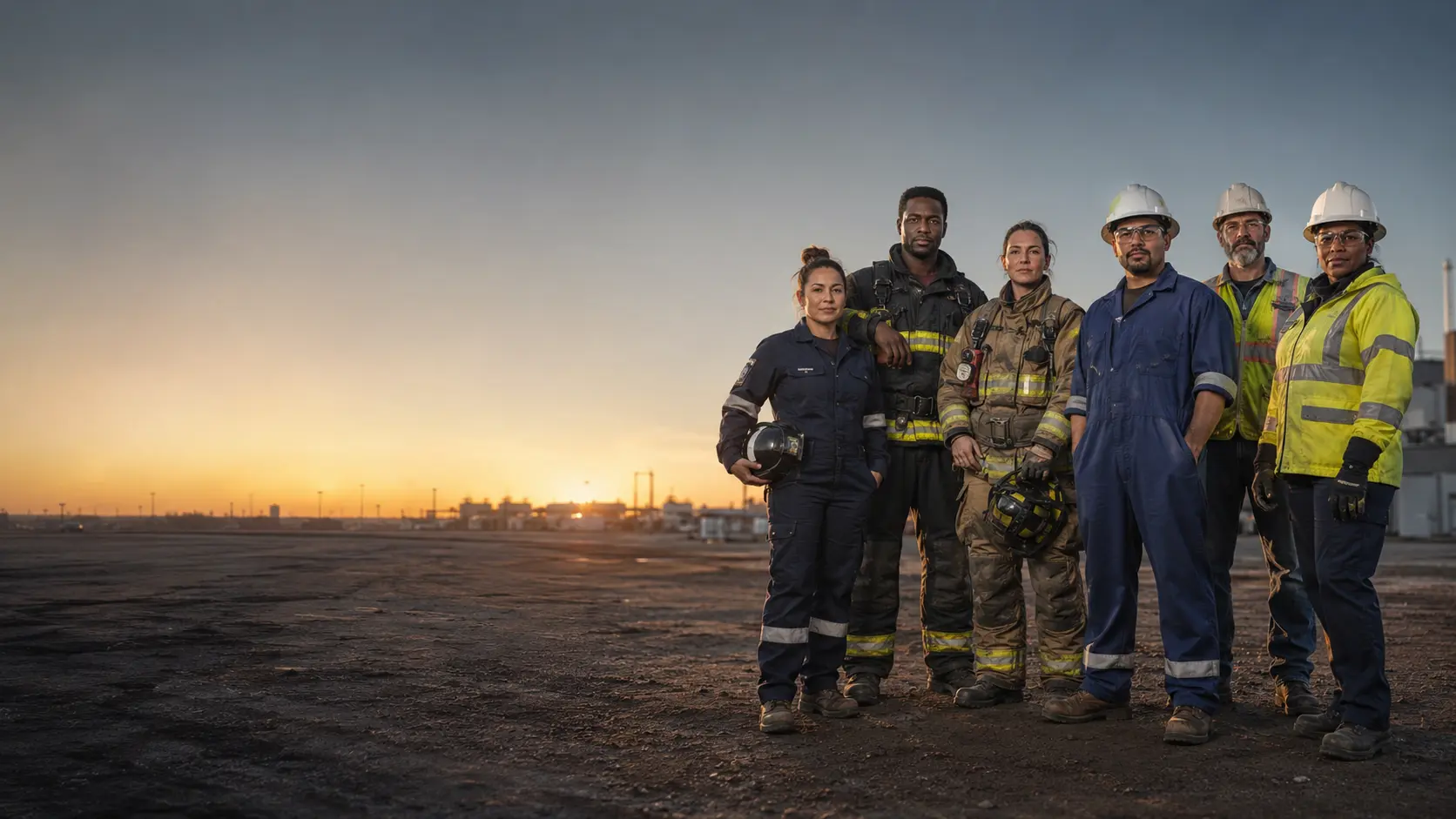
Presence changes outcomes.
Earlier conversations. Faster access. Better follow-through.
Observed program outcomes
Observed outcomes with operational relevance.
12.2 / 125.8
reported average light-duty days
Eight H&W-involved instances averaged 12.2 days in program year one; seven No-H&W cases averaged 125.8 days across the three-year program period.
Methods and limitations
The reported averages differed by 113.6 calendar days, but the groups covered different time windows and were not randomized or severity-adjusted.
Participation was voluntary; injury mix, motivation, and referral access varied. Staffing or payroll savings were not audited, and the comparison does not establish causation.
72
early musculoskeletal episodes addressed
Treatment episodes reported during Bryan Fire Department’s first program year—not a count of workers’ compensation claims avoided.
+2.2 METs
department-average aerobic capacity
Fort Bend County ESD 7, 2025 baseline to 2026 follow-up. These were unmatched department averages and do not establish matched-person change or causation.
What this means in real life
More aerobic reserve
Reaching 12 METs equals about 42 mL/kg/min and is about a 22% increase in the reported department average. In a large clinical cohort, each 1-MET higher exercise capacity was associated with 12% better survival.
Published associations provide context—not an individual risk estimate, a causal program effect, or a count of events prevented in this department.
Results are observational and are presented with their source populations, time windows, and limitations. They do not establish causation.
The problem
Annual screenings find risk. Your people need support between them.
Health and readiness are shaped on ordinary days—in stations, on shifts, at worksites, and during the first hours after something starts to hurt.
01
Musculoskeletal strain
Small problems become lost-time injuries when people delay care or cannot reach the right provider early.
02
Cardiometabolic risk
Demanding work, disrupted routines, and long careers compound health risks that annual screenings alone cannot solve.
03
Sleep, fatigue, and recovery
Shift schedules and overtime erode recovery, decision-making, and readiness both on and off the job.
04
Workforce availability
Restricted duty, fragmented referrals, and preventable delays affect staffing, morale, and the mission.
A connected approach
Care people trust. Data leaders can use.
The Well(th) Initiative brings musculoskeletal care, exercise and mobility, nutrition, sleep, recovery, and leadership support into a single delivery model.
01
Meet people where they work
On-site, hybrid, or remote support shaped around operations.
02
Act before issues escalate
Rapid access and practical next steps when early symptoms appear.
03
Measure what matters
Health, performance, participation, duty status, and cost signals.
Who we serve
Different environments. One shared requirement: readiness.
The delivery model changes with the workforce, the job, the current resources, and the outcome leaders need to improve.
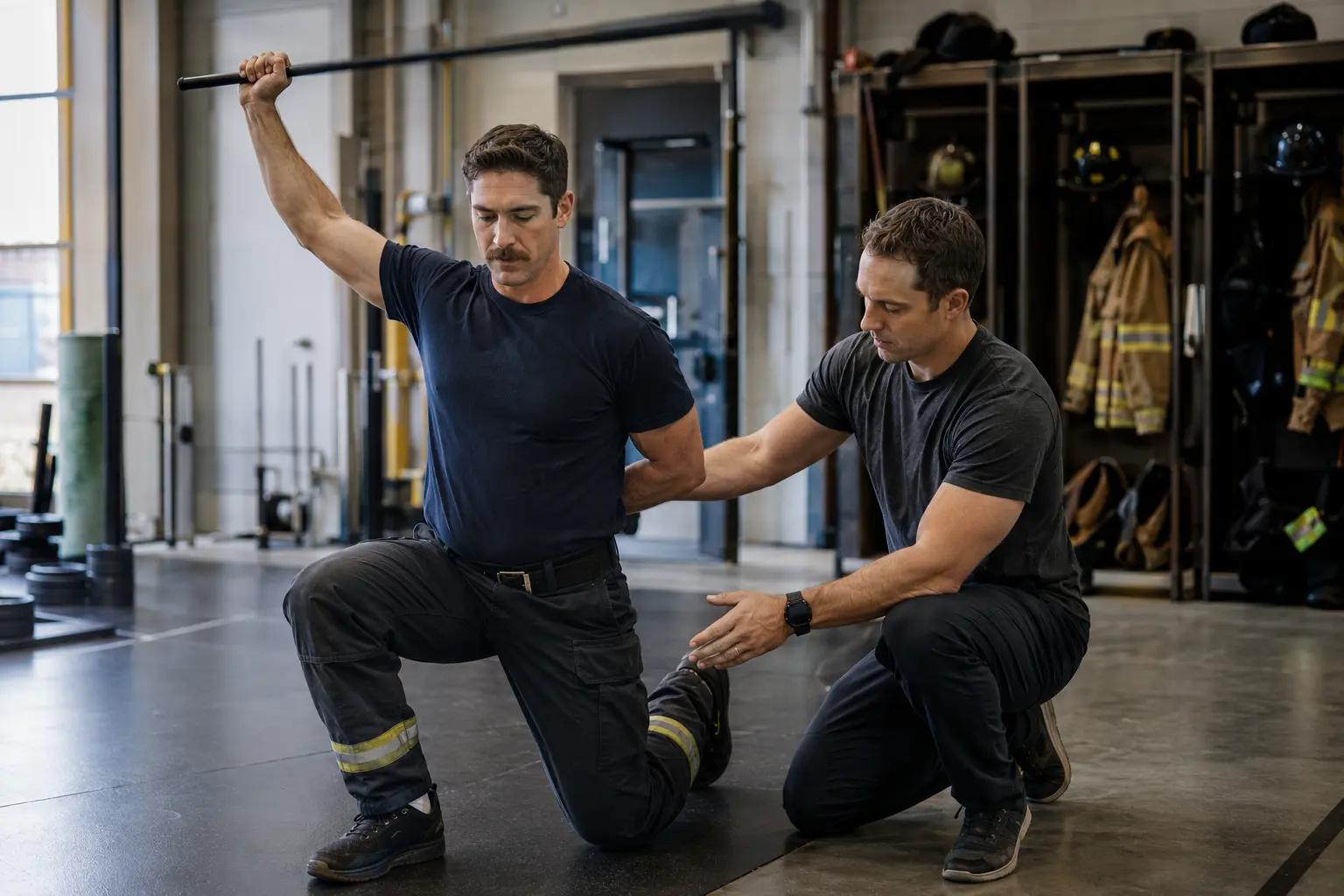
Municipal & public safety
Support the people your community depends on.
Job-informed support for fire, EMS, law enforcement, utilities, and municipal teams.
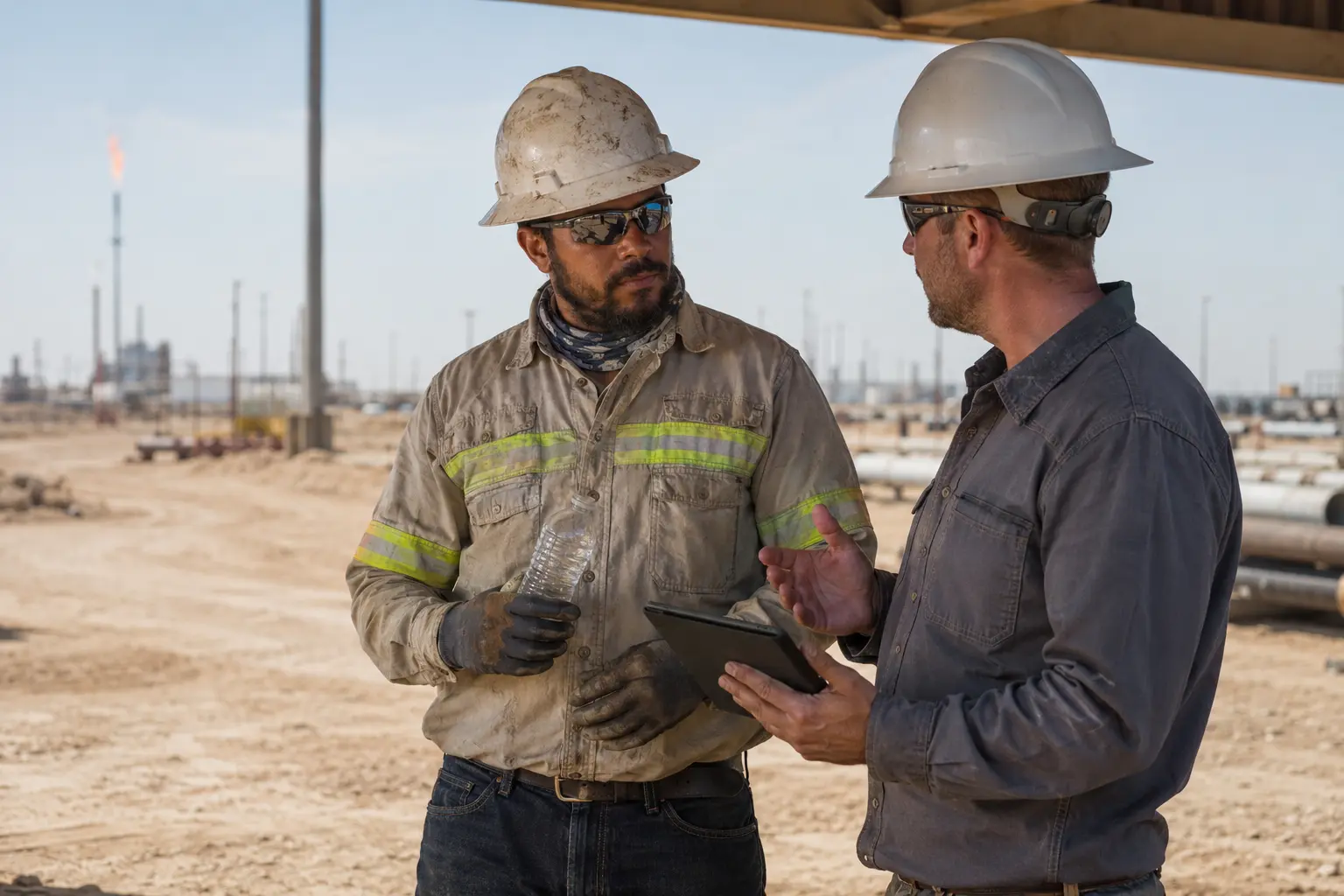
Industrial & high-demand workforces
Build the human-performance layer closer to the work.
Scalable support for construction, utility, industrial, and physically demanding teams.
Flexible delivery
Begin at the level your workforce can use now.
Remote, hybrid, and embedded models provide a sensible path from foundational access to a comprehensive on-site operating layer.
01
Remote foundation
Empower
Guided exercise, mobility, rehabilitation, nutrition, and workforce-health education.
02
Hybrid connection
Elevate
Remote resources plus scheduled on-site connection, telehealth, and leadership support.
03
Embedded capability
Thrive
A dedicated performance specialist, on-site physical therapy, and deeper operational integration.
Start with the workforce you have today