
Industrial & high-demand workforces
Workforce readiness starts before an injury becomes a claim.
Bring early musculoskeletal support, human-performance services, recovery education, and measurement closer to construction, utility, industrial, and other physically demanding workforces.
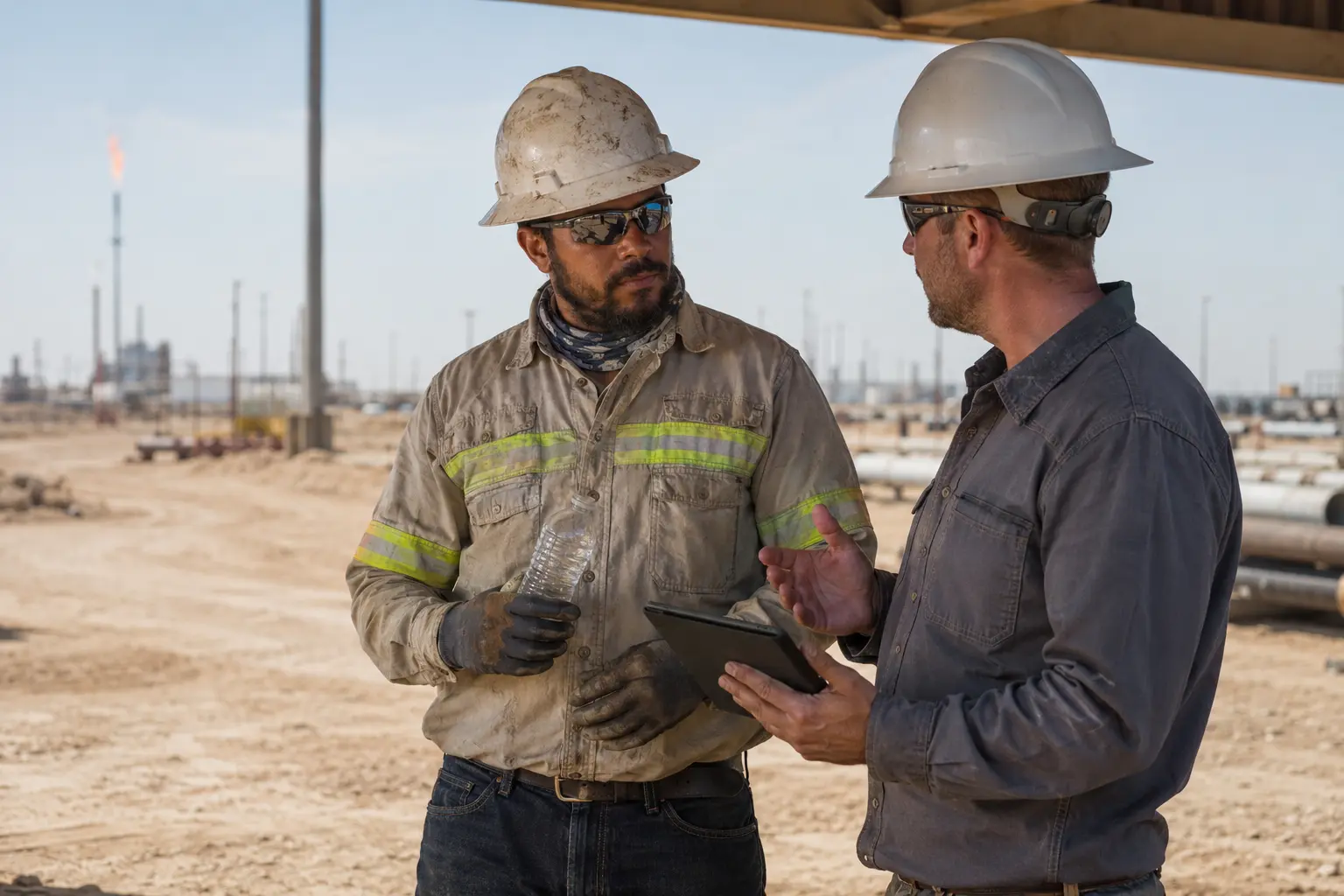
Before the dashboard moves
A health problem can become an operational problem long before it becomes a recordable event.
Repetitive load, heat, fatigue, shift work, and delayed care can affect availability and performance. Meanwhile, EHS, occupational medicine, benefits, and workers’ compensation may each hold only one part of the picture.
The Well(th) Initiative is designed to close gaps—not displace the systems that already work.
Value across the organization
One human-performance layer. Multiple operational stakeholders.
01
EHS & occupational health
Add a practical early-intervention and human-performance layer to the current safety system.
02
Operations
Support work capacity, recovery, and full-duty availability around real operational demands.
03
People & benefits
Make existing health resources more relevant, accessible, and actionable.
04
Risk & finance
Establish baselines and monitor operational and health signals without overstating savings.
Bring support closer
From mobilization through mature operations.
Programs can scale with the workforce and the phase of work.
01
Early musculoskeletal access
Assessment and physical therapy within agreed clinical and operational pathways.
02
Job-informed physical capacity
Strength, movement, mobility, and conditioning around the work performed.
03
Heat, nutrition, and hydration
Practical preparation and daily behaviors for demanding environments.
04
Fatigue, sleep, and recovery
Shift-aware education and strategies that respect real schedules.
05
Aggregate measurement
Track health, performance, engagement, duty status, and cost signals from an agreed baseline.
Responsible transfer of evidence
Relevant operating evidence—not a promise of identical results.
Our strongest current public evidence comes from Texas fire departments. Fire-service and industrial exposures are not identical. The relevance lies in trusted early access, physically demanding work, shift-related recovery, full-duty retention, and disciplined measurement. Every industrial engagement should establish its own baseline.
Build ahead of the pattern